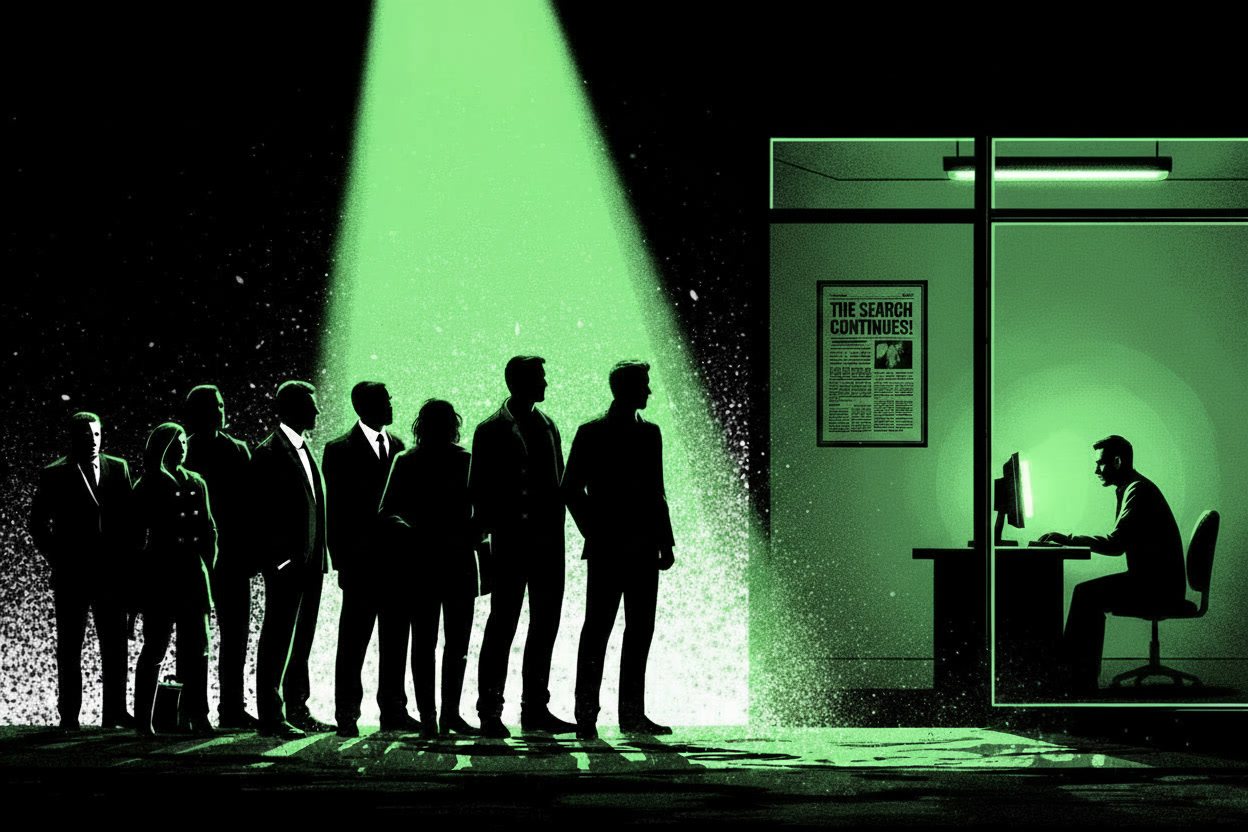
In May, Google shook the rankings again. The May 2026 core update started rolling out on the 21st and finished on June 2, about twelve days later. It was the second broad core update of the year, after March.
If your phone got quieter around then, that is probably why. And if you called somebody about it, you probably got told you needed to be number one.
Here is the problem with that advice. Number one is not a place anymore.
What Google actually said
Almost nothing. The official description was that it was a regular update designed to better surface relevant, satisfying content for searchers from all types of sites. No blog post. No list of what it targeted. No winners and losers.
Google also repeated its standard line: there is nothing new or special that anyone needs to do, as long as they have been making content meant for people.
That sounds like a dodge. It mostly is not. The people who got hit hardest by core updates over the last two years have been the ones who built for the algorithm instead of the customer, and every one of those updates has moved further in the same direction.
Why nobody can tell you your rank
Ask five people to check where you rank for “gutter cleaning near me” and you can get five answers. That is not incompetence. There is genuinely no single answer to give.
Since Google’s May developer conference, two people searching the same phrase in the same town can get meaningfully different results based on their own history and context. Add the map pack, which sits above the blue links and works on completely different signals. Add AI Overviews, which answer the question before the links start.
So the honest answer to “are we number one?” is: for whom, on what device, in which part of town, and above or below the AI answer?
The number one that still exists is worth less
Even when you do hold the top blue link, it does not pay what it used to. Estimates of the drop vary depending on what is being measured, and it is worth being careful with them rather than quoting the scariest one.
Ahrefs, looking at 300,000 keywords, found position one produces roughly 58% fewer clicks when an AI Overview appears on the page. SISTRIX measured click-through on those queries falling from around 27% to as low as 11%. Meanwhile more than half of US searches now end without anyone clicking anything at all.
Ranking first and being seen first stopped being the same thing. On a phone, the first organic result can sit a long way below an AI summary and a stack of ads.
The part that should actually worry you
In July 2025, roughly three quarters of the sources cited in AI Overviews came from the top ten organic results. By March 2026 that was down to about 38%.
Read that twice. The majority of citations in AI answers now come from pages that are not ranking on page one for the question being asked. Being number one helps your odds of getting cited. It no longer decides them.
That is a genuinely different game. Ranking is about one page beating other pages for one query. Citation is about whether the machine understands who you are, what you do, and where you do it, well enough to name you.
So when does number one still exist?
Sometimes. And usefully, the sometimes lines up well with local service work.
AI Overviews show up less often on the searches that end in someone booking a job. Somebody with a burst pipe is not reading a summary. They are looking at the map, at the reviews, and at whether your phone number works. On those searches the top of the map pack is still very much a real place, and it is still the most valuable spot in local search.
Where number one has genuinely dissolved is on the informational searches: what causes this, how do I fix that, how much should this cost. Those questions get answered on the page now. If your traffic was built on articles like those, that traffic is not coming back.
What to do instead
First, do not react to a core update while it is rolling out. Rankings moved several times during those twelve days in May, including in the last 24 hours before Google called it done. Google’s own guidance is to wait a full week after completion before drawing conclusions. Anyone who rewrote their whole site on day three was chasing noise.
Second, change the question. Instead of “where do we rank,” ask how many calls, how many form fills, how many booked jobs. Those numbers survive every algorithm update because they are measured at your end, not Google’s.
Third, be findable everywhere rather than first anywhere. A complete Google Business Profile. Reviews arriving steadily rather than in bursts. Service and city pages that say plainly what you do and where. Consistent details across every listing. None of that is exciting, and all of it survives core updates, because it is what the systems use to work out who you are.
The point
Number one still exists in the places that matter most for a local business, and it is worth having. But it is not a single spot you can buy your way to, and any agency that promises it should be asked which version of number one they mean.
Being the obvious answer beats being the first result.
Where do you actually stand?
A Mission Plan checks what Google, the map pack and the AI engines say about your business today, and tells you what is realistic to fix. No promises about a number.
Liked this? Get more every Wednesday in What’s Up
Wednesdays. Tactics, software intel, field reports for local-business owners.